

It’s been several weeks since I’ve posted a Rest Stop blog. Over the Christmas and New Year season, I stepped away from work for 17 days—an extended break to rest, reflect, reset, and recalibrate. I also made a deliberate choice to pause my writing.
For two full weeks, I slowed down enough to think deeply about the past year and prayerfully consider the year ahead. That pause created the mental and spiritual space to listen—really listen—to what was happening in my own heart, mind, and soul. It also allowed me to observe more carefully what was happening in the lives of those closest to me, and even in the broader culture.
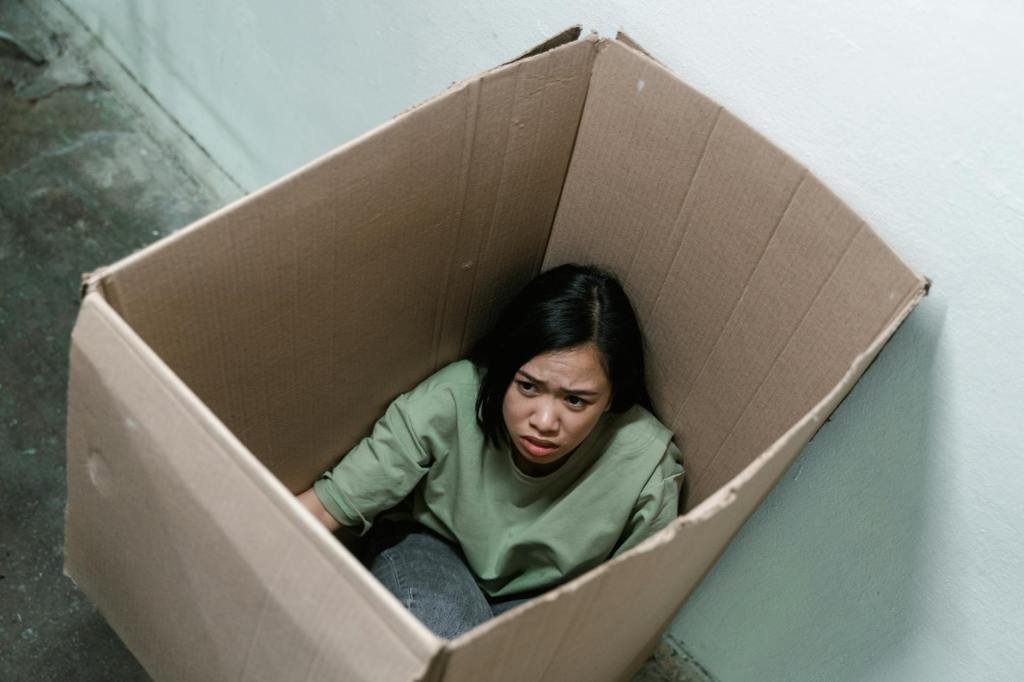
What I sensed—in myself, in my relationships, and in society—was the overwhelming toll that anxiety and worry are taking on us. Anxiety is choking the life out of people. It is robbing us of joy, stealing our rest, and leaving us spiritually, mentally, emotionally, and physically depleted. Instead of living restful lives, we are becoming increasingly restless. And at the core of this restlessness is anxiety.
I’ve written about anxiety before, but it became clear that I needed to take a deeper dive into this epidemic that has such a stranglehold on so many. So I turned first to Scripture to understand anxiety from a spiritual and emotional perspective, and then I explored its physiological and psychological impact. My hope is that you’ll keep reading, take an honest look at your own life, and consider how these truths and principles might apply to you.
What Scripture Says About Anxiety
When you begin tracing the theme of anxiety through Scripture, a striking picture emerges. The Bible doesn’t treat anxiety as a minor inconvenience or a small emotional hiccup. Instead, it describes it as something that pulls, divides, distracts, and ultimately chokes the life out of us.
The Greek words used in the New Testament paint this vividly. They describe anxiety as a force that drags a person in different directions, leaving the heart fragmented and unfocused. The very origin of the word “worry” carries the idea of being seized by the throat and shaken—much like an animal attacking its prey. It’s a disturbing image, but an accurate one. Anxiety strangles. It suffocates. It distracts us from what matters most.
Scripture doesn’t ignore this reality; it speaks directly into it. Philippians 4:6 calls us away from anxious distraction and toward prayerful dependence. First Peter 5:7 invites us to cast—literally to hurl—our cares onto the Lord, not gently set them aside. Psalm 55:22 echoes the same truth: our burdens were never meant to be carried alone. Even the story of Mary and Martha in Luke 10 shows how anxiety pulls us away from the presence of Jesus, while focus and trust draw us near.
Taken together, these passages reveal a God who understands the weight of anxiety and offers a path out of it. They show us that anxiety is not simply a feeling; it is a spiritual force that divides the heart. And God’s answer is not to ignore it, suppress it, or pretend it isn’t there—but to bring it to Him, fully and honestly.
As you look deeper into the language Scripture uses, the meaning becomes even clearer. The word merimna refers to “a care”—something that distracts or pulls a person in multiple directions at once. Its verb form, merimnao, means “to be drawn apart by distracting cares.” It’s the picture of a mind caught in a tug of war, pulled between fear and faith, between what is and what might be.
Our English word “worry” carries the same idea. Its roots mean “to choke” or “to strangle.” It’s no coincidence that worry feels suffocating—because that’s exactly what it does. It tightens around the heart and mind until peace becomes impossible to grasp.
The opposite of worry—calmness, certainty, trust, joy, peace, contentment—are the very qualities God desires for us. Worry focuses our attention inward, trapping us in our own thoughts. Trust shifts our focus upward, anchoring us in God’s character and care.
This is why Scripture consistently calls us to cast our cares on the Lord. Not because our concerns are insignificant, but because they are too heavy for us to carry alone. God invites us to hurl them onto Him because we are the object of His care. Our wellbeing is His concern—not as an afterthought, but as a forethought.
The Physiological and Psychological Impact of Anxiety
Anxiety doesn’t just trouble the mind; it reshapes the brain and body in profound ways. When worry becomes chronic, the brain shifts into a heightened state of alert that affects nearly every major system. One of the first areas impacted is the amygdala, the brain’s fear center. Under persistent anxiety, the amygdala becomes overactive, constantly scanning for threats and interpreting even neutral situations as dangerous. This heightened vigilance sends the body into a near continuous state of alarm.
At the same time, the hippocampus—the region responsible for memory and contextual understanding—can actually shrink under long-term stress. This makes it harder to store new memories or properly interpret situations, even while anxious memories become more vivid. The prefrontal cortex, which helps regulate emotions and guide decision making, also becomes less active. As a result, emotional regulation weakens, decisions feel harder, and impulse control diminishes. These structural and functional changes are reinforced by chemical shifts as neurotransmitters like serotonin, dopamine, and norepinephrine fall out of balance, further affecting mood, focus, and motivation. Over time, the brain’s neural pathways become rigid and stress oriented, making it increasingly difficult to break free from cycles of worry.
These neurological changes trigger a cascade of physical responses throughout the body. The sympathetic nervous system—the engine behind the “fight or flight” response—activates repeatedly, flooding the body with adrenaline and cortisol. The cardiovascular system responds with rapid heartbeats, pounding sensations, and elevated blood pressure. For some, this can even mimic the symptoms of a heart attack. The digestive system is equally sensitive to anxiety. Many people experience nausea, stomach pain, bloating, or the familiar “butterflies.” Digestion may speed up or slow down dramatically, contributing to diarrhea, constipation, or flareups of conditions like IBS. Appetite often shifts as well, leading either to a loss of interest in food or to emotional overeating, especially of sugary or high comfort foods.
Breathing patterns also change under anxiety. Many experience shortness of breath or rapid, shallow breathing that can feel like suffocation. Muscles throughout the body tighten unconsciously, creating chronic tension in the neck, shoulders, and back. This tension often leads to headaches or jaw pain, and the body may tremble or shake as it remains primed for action. Meanwhile, the immune system weakens under the constant presence of stress hormones, making the body more susceptible to illness. Hormonal imbalances can also contribute to unexpected weight changes.
Other symptoms often appear as well: difficulty falling or staying asleep, racing thoughts at night, skin flareups such as hives or eczema, dizziness, dry mouth, or tingling sensations in the hands and feet. These physical manifestations are not imagined—they are the body’s direct response to prolonged worry.
In essence, anxiety rewires both brain and body, shifting them into a state of hyper alertness that distorts perception, drains energy, and magnifies threats. It becomes clear that anxiety is not merely an emotional struggle; it is a whole person experience affecting mental, physical, emotional, and spiritual wellbeing.
A Path Forward: Philippians 4:6–7
Scripture gives a clear, hope filled roadmap:
1)Do not be anxious about anything.
2)In everything, by prayer and supplication with thanksgiving, present your requests to God.
3)The peace of God—which surpasses all understanding—will guard your heart and mind in Christ Jesus.
“Live out 4:6 in 2026 “This is not a cliché. It is a promise. A spiritual, emotional, and physiological reset. A path from anxiety to trust, from fear to peace, from restlessness to rest.
This year, let’s refuse to let anxiety choke out the life God intends for us. Let’s cast—hurl—our cares on the One who cares for us. Let’s choose trust over worry, prayer over panic, and peace over pressure.
Let’s live out 4:6 in 2026.
Beginning Monday I’d like to invite you to join me for “Let not your heart be troubled: A 10-day devotional for anxious times”


 The Rest Stop
Leave a comment